
Healthy Gardening: How To Create Your Own Organic Garden
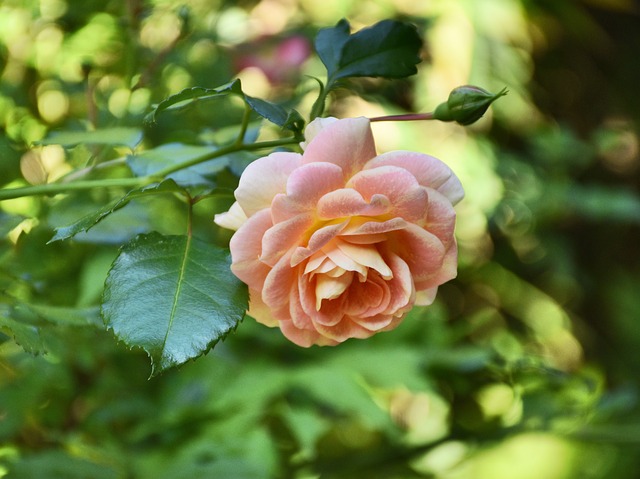
If you invest your time in doing organic gardening properly, the results are obvious. It shows that you care about taking care of your plants and that you want them to grow up healthy. These are highly admirable qualities. With anything else you can always improve. Here is some advice for you.
Involve your children in gardening. The benefits for your children will be a closer bond with nature and an understanding of where food comes from.
Plant strawberries for your children. Children love to pick their own fruit right out of the garden, and will be more willing to help with the process if they get something out of it.
You must consider how much light is available when starting your plants indoors. If you live somewhere without strong natural sunlight, you might want to look into growing plants that thrive in lower-light environments. If this is not an option, or you have your heart set on a particular type of plant, consider adding additional growing lights instead.
When planting seeds, you should bury them three times as deep as their actual size. There are some seeds, however, that you should not cover at all, since they need sunlight to germinate. Some common examples include ageratum and petunias. If you are not sure whether your seeds need to be exposed to sunlight, resources are usually provided with the seeds or can be found online.
While gardening organically requires more work than gardening with the help of chemicals, the rewards are worth it. While chemicals offer an easy solution to many common gardening problems, the organic method is far healthier for you and everyone you share your food with.
Take care not to overwater your plants, as this can prevent the roots from drawing the proper amount of nutrients out of the soil. Always check to see if rain is in the forecast before watering your plants. If rain is on its way, you are probably safe to skip watering duties for the day.
Rotate your garden annually. When similar plants are planted in pretty much the same spot every single year, this can cause fungal and disease growth. Fungus and disease may stay in the soil and then affect your plants the next growing season. So, you want to make sure you mix it up and keep your garden on the move so that you avoid a problem like this.
Make sure you look at what lies beneath in order to start off on the right foot. After planting tomatoes, for example, you must closely monitor the soil for the first signs of green shoots. Don’t get attached–these hints of green are hiding an underdeveloped root system below the surface of the soil. These starts will suck the resources from your seedlings for several weeks, inhibiting their growth.
If you want to consistently grow healthy tomatoes, wait three weeks between planting each set. Staggering the planting times ensures that you are able to consistently enjoy ripe tomatoes. This will also prevent you from losing an entire harvest if some type of problem arises that kills off a batch.
Now you know more about organic gardening. That’s wonderful! Learning is a never-ending process. The tips you have read above, of course, cover just the basics. Hopefully you have found something you can use to help your gardening efforts.
Comments
Healthy Gardening: How To Create Your Own Organic Garden — No Comments
HTML tags allowed in your comment: <a href="" title=""> <abbr title=""> <acronym title=""> <b> <blockquote cite=""> <cite> <code> <del datetime=""> <em> <i> <q cite=""> <s> <strike> <strong>