
Grow Your Organic Garden With These Tips
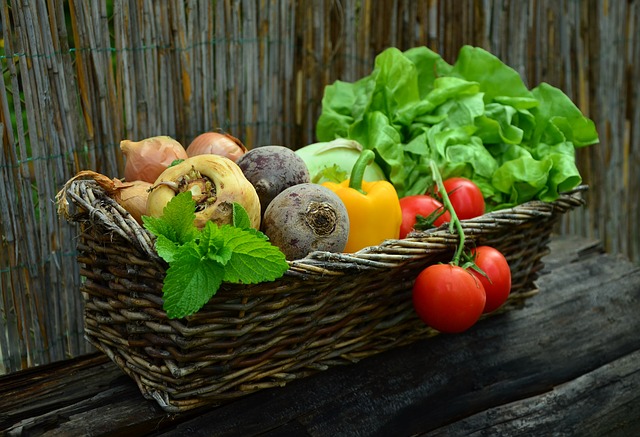
In the world of organic gardening, there are plenty of great resources available to both new and experienced organic gardeners alike. There are many e-guides, books, videos, and other resources available. This set of tips contains some of the best advice for helping a good organic gardener become a great organic gardener.
If you’re working to build a sustainable organic garden, try leaving a portion of your garden untouched so that the wildlife will be able to thrive. Your cultivated garden spaces will benefit from the various insects and wildlife that will inhabit and pollinate the undeveloped space.
Organic indoor plants may need additional light sources to make up for the light they miss out on by being indoors. This needs to be considered. If the room you wish to grow them in faces in a direction that gets little light, choose varieties of plants which can accept this type of environment. You can also try using artificial lighting to help.
You’ll save time and energy if you keep tools nearby while working in your garden. You can keep them in a good sized bucket, or wear utility pants that have plenty of large pockets. Keep your trowel, pruning shears and gloves handy so you can do your garden work quickly and easily.
When a seed actually sprouts, it doesn’t need to be in as warm an environment. It’s important to move the plants away from any heat source as they grow larger. It is wise to take plastic covers off of the containers in order to eliminate humidity and excess heat. To know when it is time for this, keep a careful eye on your seeds.
It never hurts to keep a few bags around the house to protect your floors from dirty gardening shoes. When you do this, your flow stays going, and you can just get right back out to your garden and finish quick.
Spacing is an important factor to consider when planting your garden. It is easy to underestimate the amount of space that the plants will take up once they start to grow. Beyond just the physical space that the plants will need, you should also consider the airflow that the plants will require. Plan your garden carefully and leave enough space between the seeds.
When planting seeds in containers, plant the seed roughly three times deeper than the seed’s size. There are exceptions to this rule though, as some seeds need direct sunlight to grow. Examples of these are petunias and ageratum. Read the instructions that came with the seeds, and do some research on the Internet to find out the sunlight that your seeds need.
Though organic farming can present challenges that traditional farming with the use of chemicals does not, harvesting the crops is reward itself for the hard work. While chemical-based gardening products make bold claims, it is hard to dispute that organic gardening consistently produces superior results.
Organic foods are beneficial because they have not been contaminated by pesticides. This is healthier than other alternatives, but you need to still check for diseases and bugs regularly.
After reading these tips, you can begin to understand what it takes to become a great organic gardener. There is so much information about this and it is crucial that you learn about it and apply it to your gardening. If you keep this information in mind, you should be able to grow a great organic garden in no time.
Organic Food For Sale
[phpbay]organic food, 10, “”, “”[/phpbay]
Comments
Grow Your Organic Garden With These Tips — No Comments
HTML tags allowed in your comment: <a href="" title=""> <abbr title=""> <acronym title=""> <b> <blockquote cite=""> <cite> <code> <del datetime=""> <em> <i> <q cite=""> <s> <strike> <strong>